June 15, 2026
In our ongoing quest for healthier, more sustainable living spaces, preventive pest control emerges as a vital, yet often overlooked, component. This article will explore the multifaceted reasons why proactive measures in pest management are essential. Too many people address pest problems only after they occur, which can lead to significant economic, health, and environmental consequences. By incorporating preventive strategies, we can drastically reduce the incidence and severity of pest infestations. This approach benefits not only individual households and businesses but also the broader community, enhancing quality of life and sustainability.
The Economic Impact of Pest Infestations
Impact on Property Value
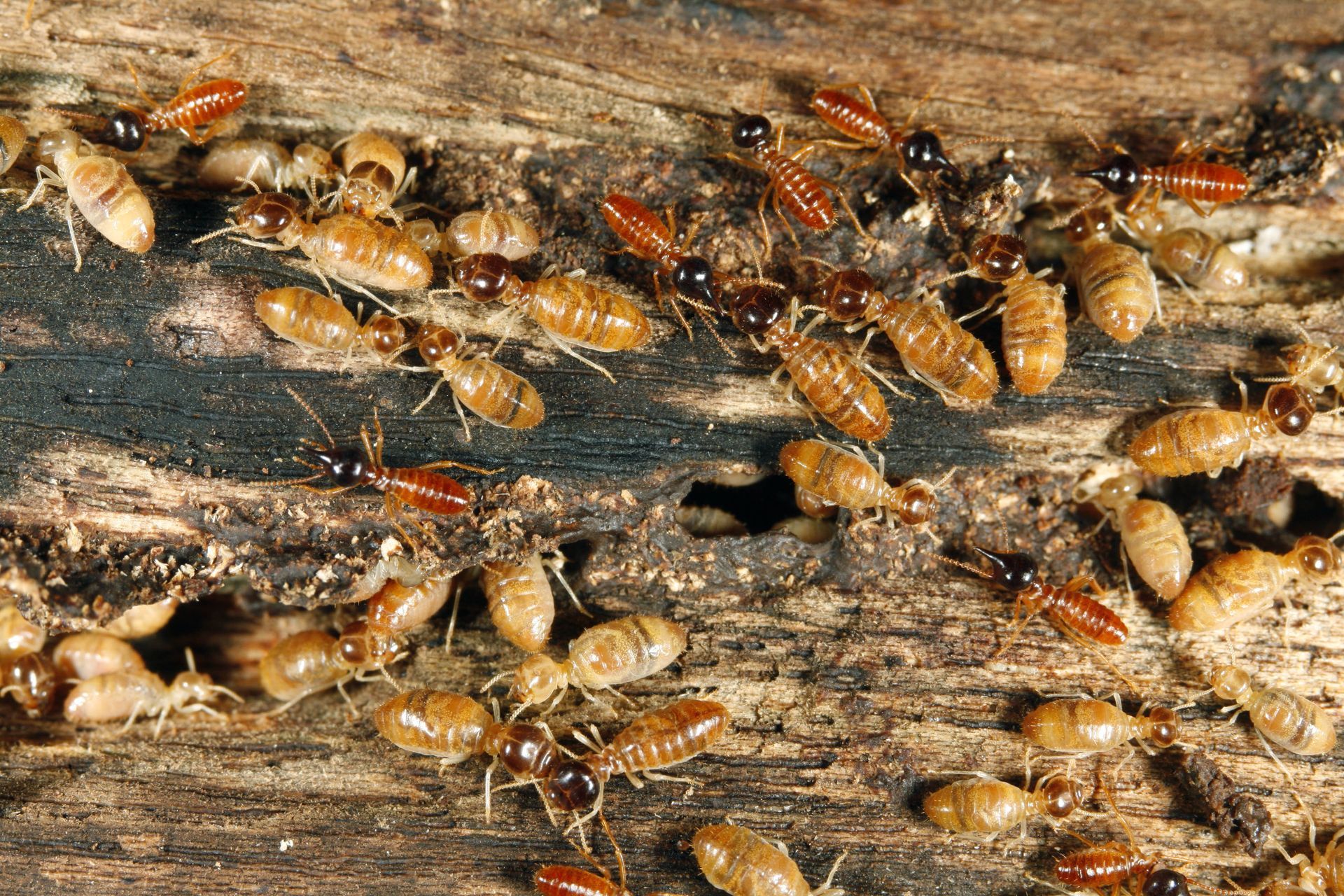
The presence of pests can significantly decrease the value of a property, leading to potential financial losses for homeowners. During property inspections, evidence of pest infestations often results in a lower appraisal, thereby reducing marketability. This devaluation can be particularly acute in areas prone to pests such as termites, which can cause structural damage. New buyers might be deterred by the prospect of costly repairs and ongoing pest management expenses. As a result, property owners seeking to maintain or increase their real estate value must prioritize preventive pest control measures to avoid these financial pitfalls.
Cost of Repairs and Renovations
The financial burden of repairing pest-induced damage can be substantial. Whether it's water damage caused by rodents or structural compromises from termites, the repair costs can quickly escalate. Preventing pests before they become a problem can save property owners from these unforeseen expenses. Regular inspections and maintenance, part of a preventive pest control strategy, can identify potential vulnerabilities early. Investing in these proactive checks is far less costly over time than reacting to a full-blown infestation.
Business and Operational Interruptions
Pests don't just affect residential areas; they can have a profound impact on businesses as well. In commercial settings, a pest infestation can disrupt operations, lead to health code violations, and result in temporary closures, all harming the business's bottom line. For instance, restaurants plagued by pests risk significant reputational damage and revenue losses. Retail businesses can see their merchandise affected by pests, leading to additional replacement costs. Preventative measures help in maintaining smooth operations by minimizing the risk of these costly interruptions.
Preventive Costs vs. Reactionary Costs
One of the misunderstandings about pest control is the belief that preventive measures are costlier than dealing with an active infestation. In reality, preventive pest control is often less expensive and more manageable. Addressing pests proactively typically involves regular monitoring and minor treatments, which are more budget-friendly compared to the extensive efforts required to eradicate a severe infestation. For example, avoiding a cockroach problem can prevent costly interventions later. According to Forbes, a cockroach colony can go from one adult to 30,000 members in just a year, highlighting the importance of early preventive measures.
Long-term Financial Benefits
Investing in preventive pest control delivers long-term financial advantages. By preventing infestations, property owners avoid unexpected repair costs and preserve their property value. Businesses benefit from uninterrupted operations, maintaining service reliability and customer trust. Furthermore, the savings in healthcare costs and other indirect economic benefits emphasize the financial sense of preventive strategies. In essence, the modest initial investment in preventive pest control leads to substantial financial health down the line.
Health Risks Associated with Pests
Vector-borne Diseases Transmission
Pests are notorious carriers of a variety of diseases that affect humans. Mosquitoes, for instance, are vectors for malaria, dengue fever, and the Zika virus. Rodents are linked with the spread of serious conditions such as hantavirus and leptospirosis. Implementing proactive pest control measures can significantly reduce the probability of these diseases spreading. By eliminating potential breeding grounds and addressing infestations promptly, communities can safeguard public health more effectively.
Respiratory Health and Allergens
Cockroaches and dust mites are common pests that contribute to respiratory issues and exacerbate allergies. The waste products of these pests contain allergens that can trigger asthma attacks in sensitive individuals. Particularly in urban areas, where population density is high, the potential for such health issues is elevated. Regular and preventive pest management can alleviate these health risks by keeping pest populations at bay. Families and individuals benefit from improved air quality and reduced allergy symptoms.
Food and Water Contamination
Another significant health concern associated with pests is their ability to contaminate food and water supplies. Pests like rodents and cockroaches carry pathogens on their bodies, easily transferring them to surfaces and consumables. This contamination can lead to widespread illness, especially in settings like restaurants and food processing facilities. As part of preventive strategies, maintaining clean, well-sealed environments and adhering to stringent hygiene practices are essential. These precautions help in minimizing the risk of foodborne illnesses and protecting public health.
The Psychological Impact of Infestations
The presence of pests in living or working spaces can contribute to psychological stress and anxiety. Knowing that pests can potentially harm health or property induces a sense of unease among occupants. In severe cases, infestations can lead to conditions such as anxiety and insomnia due to constant worry and discomfort. Preventive pest control plays a crucial role in maintaining peace of mind by providing a reassuring layer of security. Individuals and families benefit from knowing their environments are monitored and protected against pest invasions.
Environmental Considerations
Ecological Balance and Native Species
Pest control efforts can unintentionally disrupt the ecological balance, affecting native species and biodiversity. Many pests have natural predators that help regulate their populations without human intervention. Over-reliance on chemicals can harm these beneficial species and lead to unintended environmental damage. Implementing preventive pest control helps maintain ecological balance by focusing on sustainable practices. Predatory species are preserved, pests are naturally controlled, and the ecosystem remains in harmony.
Chemical Control and Its Consequences
The frequent use of chemical pesticides has long-term implications for the environment and human health. These substances can pollute water sources, harm non-target organisms, and contribute to the development of pesticide-resistant pest strains. By contrast, preventive pest control minimizes the reliance on these chemicals, opting for safer and more sustainable alternatives. Using mechanical traps, baits, and biological controls can effectively mitigate pest issues without detrimental side effects. Such practices help in reducing the environmental footprint of pest management efforts.
Benefits of Integrated Pest Management
Integrated Pest Management (IPM) is a holistic approach that combines various methods for effective pest control. IPM emphasizes understanding pest life cycles and environmental interactions to implement strategic prevention. It balances biological, cultural, physical, and chemical tools to control pest populations sustainably. This methodology reduces chemical input, enhancing both environmental and economic outcomes. Adopting IPM principles in preventive pest control strategies aligns with goals of sustainability and environmental stewardship.
Encouraging Biodiversity in Urban Settings
Urban environments can foster biodiversity by integrating pest control methods that support the presence of varied flora and fauna. By avoiding widespread chemical usage, native species and beneficial insects can thrive in these settings. Enhancing urban green spaces with pest-resistant plants and natural habitats contributes to ecological balance. Preventive pest control strategies in urban planning promote biodiversity while mitigating pest issues. Increased biodiversity leads to healthier ecosystems and more resilient urban areas.
Preventive pest control is an indispensable element in maintaining economic stability, health standards, environmental balance, and quality of life. By understanding its importance, embracing innovative solutions, and learning from successful strategies, we can foster healthier, happier, and more sustainable communities. Proactive measures in pest management allow us to curb infestations before they take root, preserving ecosystems and enhancing public health. In our interconnected world, a collaborative, focused effort on pest prevention yields benefits that stretch far beyond individual households. This future-oriented approach solidifies our commitment to a resilient, equitable, and thriving society for all. If you're looking for a dependable pest control company, contact 2 Nice Guys Termite & Pest Control today!