November 12, 2026
Understanding the vital role of pest control in ensuring compliance with health regulations is crucial for any business. Health audits are pivotal moments for businesses, assessing compliance with various health regulations to ensure public safety. This article explores how a commercial pest control service can be an invaluable partner in preparing for and passing health audits.
Understanding the Importance of Commercial Health Audits
Health Audit Standards
Health audits in commercial settings serve as tools to verify a company's compliance with health standards and regulations. These audits are designed to protect consumers and employees, ensuring that businesses maintain a clean and safe environment. Standards for these audits can vary based on industry but often focus on cleanliness, safety, and the handling of food products. Pest control is a critical component, as infestations can directly violate health standards and pose significant health risks. Staying informed about these standards helps businesses prepare for audits proactively, reducing the risk of unexpected failures.
The Impact of Failing a Health Audit
Failing a health audit can have severe consequences for a business, ranging from temporary closures to complete shutdowns. Regulatory bodies may impose fines, and in some cases, legal action might be pursued if violations are severe enough. The negative publicity surrounding a failed audit can also deter potential customers, causing a dip in revenue. Compounding these issues is the potential for a damaged reputation that can take years to rehabilitate. A proactive approach to pest control thus becomes not just an operational necessity but also a measure of reputational protection.
Common Health Audit Findings Related to Pest Issues
One of the most common findings during health audits involves the presence or indicators of pests, such as droppings or damage caused by insects and rodents. These issues can arise from poor sanitation, inadequate sealing of entry points, or failure to promptly address early signs of infestation. Proactive pest management is crucial, as auditors will search for both current issues and potential vulnerabilities that could lead to future problems. Emphasis on sanitation and regular pest control inspections can greatly reduce the likelihood of negative audit findings. These preventative measures are part of a comprehensive approach to maintaining a healthy business environment.
The Role of Consistent Compliance
Consistent compliance with health standards involves ongoing attention to detail, especially regarding issues like sanitation and pest control. Regular inspections and proactive pest management play a vital role in maintaining this compliance. In industries such as food service and hospitality, where compliance is particularly scrutinized, consistent adherence to health standards can be a significant competitive advantage. According to IBISWorld, the market size of the pest control industry in the United States is expected to reach $28.5 billion in 2026, underscoring the importance and growing reliance on such services for ensuring compliance. Businesses that incorporate regular pest control into their routine operations are better equipped to face audits with confidence.
Identifying Potential Pest Problems
Common Pests in Commercial Environments
Commercial environments can host a range of common pests such as rodents, cockroaches, ants, and flies. These pests are not just nuisances but also carriers of harmful bacteria and diseases that can compromise health safety. Identifying and understanding the common pests in your specific business environment is the first step towards effective control and management. Each type of pest has its entry points, favorite locations, and conditions conducive to infestation. Professional pest control services can help businesses identify these pests and strategize appropriate control measures.
Signs of Pest Infestation
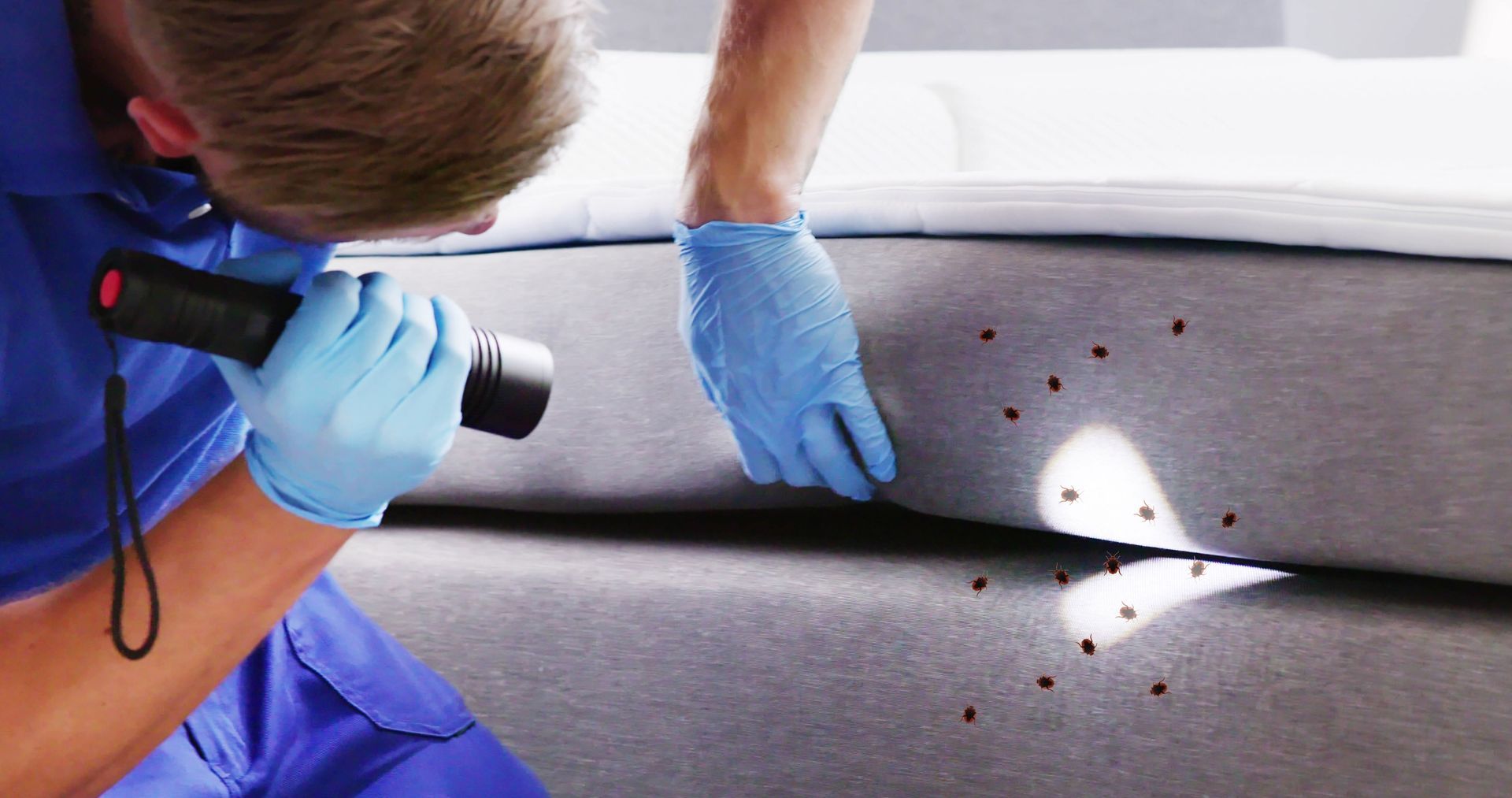
Early detection of pest infestation relies heavily on recognizing the common signs, which may include droppings, bites on food products, grease marks, and nests. Unusual smells or sounds, especially in quiet environments such as storage areas, can also indicate pest presence. Employees trained to notice these signs can report them promptly, allowing for quick action to mitigate potential damages. Regular walkthroughs and inspections are essential in identifying these signs, which can signal the start of a problem. Recognizing and acting on these early warning signs is crucial in preventing a full-blown infestation.
Assessing Vulnerable Areas
Every business environment has areas more susceptible to pest invasion. Common vulnerable areas include storage spaces, waste disposal units, and places with water or food sources. Identifying these hotspots involves a thorough inspection often conducted by pest control professionals, as they have the expertise to spot potential vulnerabilities that may not be obvious. Proactively managing these areas is a defensive strategy that complements regular pest control measures.
Importance of Early Detection
Early detection of pests is instrumental in mitigating extensive damage and health risks associated with infestations. Initial signs of pests are easier and less costly to manage than addressing a widespread infestation. Implementing a monitoring system can aid in early detection, allowing for prompt solutions that avoid escalating issues. Pest control professionals employ various monitoring devices and traps that can provide early warnings of infestations. By focusing on early detection, businesses can prevent potential disruptions and maintain smooth operations.
Implementing Pest Management Strategies
Developing a Customized Pest Control Plan
Developing a customized pest control plan is pivotal in addressing the unique pest challenges faced by different businesses. This plan takes into account the specific needs and vulnerabilities identified during site surveys and inspections. By tailoring the pest control strategies, businesses can focus on what the best approaches are for their specific environment and pests. Custom plans usually target all stages of pest lifecycle, ensuring that prevention, control, and eradication measures are well integrated. Such customized approaches reduce wastage of resources and increase the effectiveness of pest management programs.
Safe and Effective Pest Control Methods
Modern pest control prioritizes the use of safe and environmentally friendly methods that effectively eradicate pests without harming people or ecosystems. Techniques including integrated pest management (IPM) focus on long-term prevention and combine biological, physical, and chemical tools in a way that minimizes health risks. Safety considerations are paramount, especially in areas such as food production and preparation. Businesses have a duty to ensure the safety of both their staff and customers, and effective pest control supports this commitment. By choosing services that adopt eco-friendly methods, businesses contribute to wider environmental sustainability goals.
Training Staff for Preventive Measures
Training staff in preventive measures is an often-overlooked but essential aspect of effective pest management. Staff can act as the first line of defense by maintaining cleanliness, reporting signs of pest activity, and understanding proper waste management practices. Training empowers employees to contribute to a pest-free environment actively and facilitates communication with pest control professionals. By creating a culture of cleanliness and vigilance, businesses can significantly reduce their vulnerability to pest-related issues. This training forms part of a broader preventive strategy that complements professional pest control services.
Regular Monitoring and Adjustments
Regular monitoring and adjustments are crucial for maintaining an effective pest control strategy. As pest populations can adapt and change over time, the initial pest management strategies may need tweaking. Continuous monitoring allows businesses to adjust their tactics based on current conditions and emerging trends. This adaptability is key in staying one step ahead of pest development cycles and ensuring long-term success of pest management programs. Regular evaluations ensure that strategies remain aligned with both pest control needs and health regulations.
Integrating Pest Control into Daily Operations
Integrated pest control into daily operations ensures that pest management is not an isolated task but a continuous effort aligned with everyday business activities. Businesses can achieve this integration through routine cleaning schedules, employee awareness programs, and regular inspections. By embedding pest control into standard operating procedures, companies create a culture of continuous vigilance. This approach not only helps in maintaining a pest-free environment but also demonstrates a consistent commitment to meeting health standards. Integrated pest management becomes a key component of operational excellence and business success.
A robust pest control program helps not only avert potential pest-related problems but also streamlines the preparation for such audits. Ultimately, investing in professional pest control offers long-term benefits that are fundamental to a successful enterprise. If you're looking for a reliable
commercial pest control service, reach out to 2 Nice Guys Termite & Pest Control today!