October 14, 2026
Bed bugs can be difficult to manage because they hide in small cracks, reproduce quickly, and may spread from one part of a home to another. Homeowners who discover signs of an infestation often want the problem addressed as soon as possible, but understanding what happens before, during, and after professional service can make the process easier to manage. Bed bug treatments may involve inspection, preparation, targeted applications, heat, monitoring, or a combination of methods depending on the situation. Knowing how to prepare the home, what information to share with the pest control provider, and what to expect afterward can help homeowners approach the appointment with realistic expectations and reduce the chances of accidentally interfering with the treatment plan.
Confirming the Presence of Bed Bugs
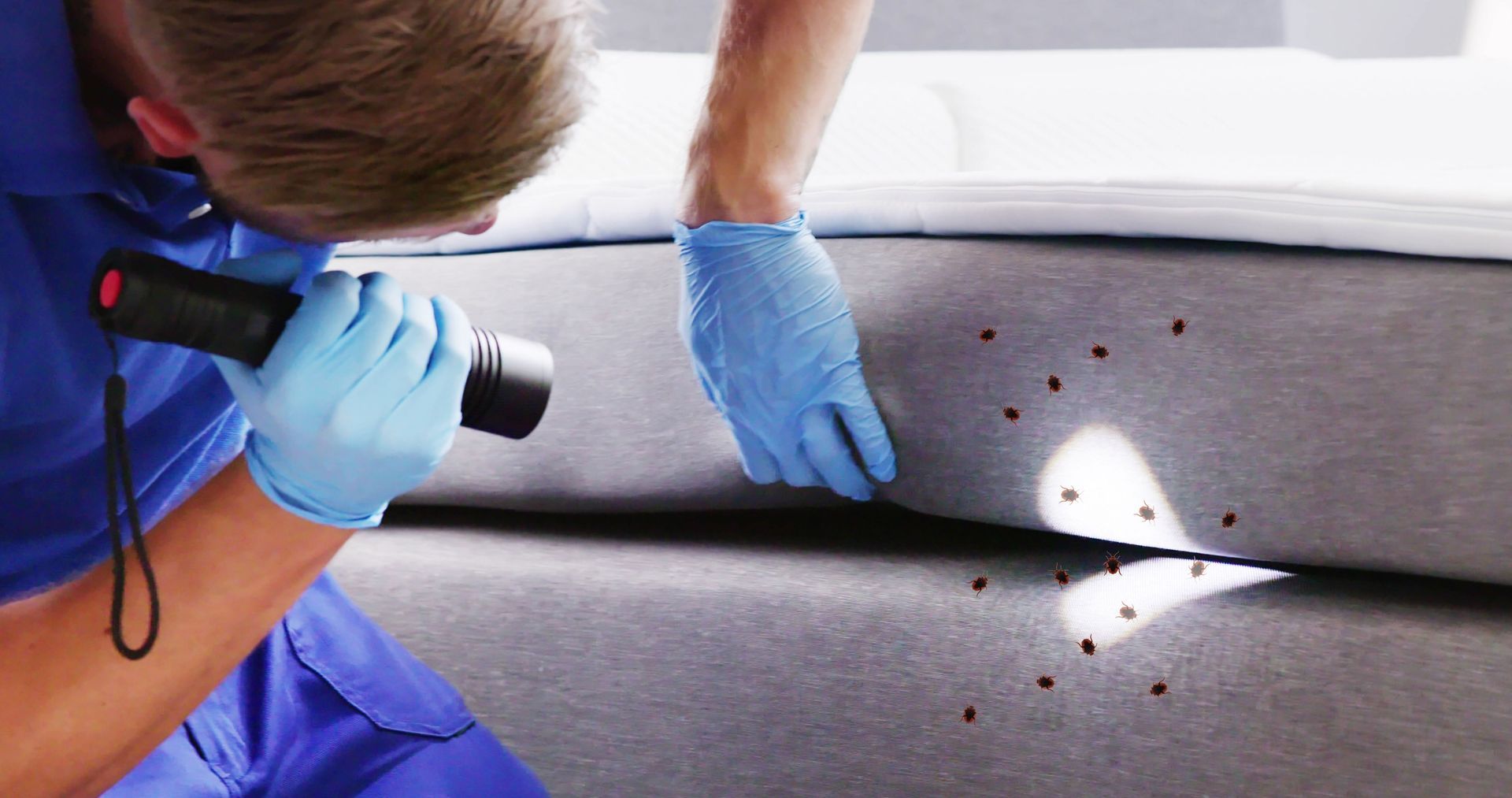
Before scheduling service, it is important to confirm that bed bugs are actually present. Bites alone are not always enough to identify an infestation because skin reactions can resemble those caused by mosquitoes, fleas, or other insects. Pest control professionals may look for live insects, shed skins, eggs, dark spotting, or other evidence around mattresses, box springs, bed frames, upholstered furniture, baseboards, and nearby cracks. Providing information about where bites or sightings have occurred can help the technician focus the inspection on the most likely areas.
Professional bed bug treatments are most effective when they are based on an accurate assessment of the infestation. The technician may ask when the first signs appeared, whether anyone has recently traveled, whether used furniture was brought into the home, or whether bed bugs have been found in neighboring units. These details can help determine how widespread the problem may be. Confirming the infestation before beginning service also helps avoid unnecessary treatment of areas where another pest or household issue may actually be responsible.
Understanding the Available Treatment Methods
Pest control companies may use different approaches depending on the size and location of the infestation. Some programs rely on carefully selected insecticide applications, while others may incorporate heat, steam, vacuuming, dust products, mattress encasements, or monitoring devices. Each method has its own preparation requirements and limitations. A technician can explain which approach is recommended for the property and why certain rooms, furniture pieces, or hiding areas need special attention.
Homeowners should ask how many visits may be necessary and whether follow-up inspections are part of the service plan. Bed bugs can hide deep inside furniture, wall voids, and other protected spaces, so one appointment may not always resolve every infestation. According to Forbes, a female bed bug can produce roughly 200 to 250 eggs over the course of its three- to four-month lifespan. Because eggs and newly hatched insects may be difficult to eliminate at the same time, some bed bug treatments include follow-up service to check for continued activity and address remaining pests.
Discussing Household Safety Requirements
Before the appointment, homeowners should ask how long people and pets will need to remain outside the treatment area. The answer can depend on the products or techniques being used. Certain applications may require residents to stay away for a specific period, while heat services may require additional preparation because indoor temperatures will rise significantly. Families with children, older adults, pets, or household members with special concerns should discuss those circumstances with the pest control provider in advance.
It is also helpful to tell the technician about aquariums, pet enclosures, medications, sensitive electronics, valuable belongings, or other items that may require special handling. Clear communication allows the pest control company to provide instructions that match the household's circumstances. When preparing for bed bug treatments, homeowners should rely on the company's written directions rather than making assumptions about what should be removed, covered, or left in place. This can help protect belongings while allowing technicians to perform the work effectively.
Managing Clothing and Personal Belongings
Clothing, linens, stuffed items, and other fabric belongings can provide hiding places for bed bugs. Pest control professionals may recommend washing and drying certain items at appropriate temperatures or running dry items through a dryer when suitable for the material. Once items have been processed, they may need to be placed in clean, sealed bags or containers until the treatment program is complete. Keeping treated and untreated belongings separate can reduce the chance of reintroducing insects into cleaned areas.
Homeowners should also avoid throwing away large quantities of furniture or personal belongings without first speaking with the pest control company. In many cases, mattresses, bed frames, couches, and other items can be treated rather than discarded. Moving infested furniture outside or through shared hallways can also spread bed bugs to other areas. Professional bed bug treatments often focus on treating both the room and the items inside it, so disposal should usually be based on the technician's recommendation rather than panic.
Planning for Follow-Up Inspections
Bed bug control often requires continued observation after the initial service. The pest control provider may schedule another inspection or treatment based on the severity of the infestation and the methods used. Homeowners may be asked to watch for live insects, spotting, shed skins, or other signs of continued activity. Monitoring devices placed near beds or furniture may also help identify whether bed bugs remain in the home after the first appointment.
It is important not to assume that seeing one insect immediately after service means the entire treatment failed. Some methods take time to affect pests, and hidden insects may emerge after treated areas have been addressed. At the same time, continued activity should be reported to the pest control company so the technician can determine whether additional work is needed. Follow-up bed bug treatments can target remaining pockets of activity and help verify whether the infestation is declining as expected.
Preventing Bed Bugs From Returning
After treatment is complete, homeowners can take steps to reduce the likelihood of another infestation. Inspecting luggage after travel, being cautious with secondhand furniture, reducing clutter, and regularly checking beds and upholstered furniture can make new activity easier to notice. Mattress and box spring encasements may also be recommended in some situations. Early detection matters because a small, localized problem can generally be easier to address than an infestation that has had time to spread throughout several rooms.
Residents of apartments, condominiums, and other multi-unit properties may face additional challenges because bed bugs can sometimes move between neighboring units. Property managers or nearby residents may need to be notified depending on the situation and local requirements. After bed bug treatments have been completed, following the pest control provider's recommendations for monitoring and prevention can help homeowners recognize new warning signs quickly and avoid accidentally bringing bed bugs back into the home through luggage, furniture, or other belongings.
Scheduling professional service for bed bugs involves more than simply choosing an appointment time. Homeowners should confirm the infestation, understand the recommended treatment method, prepare the property carefully, discuss safety requirements, manage personal belongings properly, and be ready for follow-up inspections if needed. Following professional instructions throughout the process can make it easier for technicians to reach hidden areas and evaluate whether additional service is necessary. Staying alert after bed bug treatments are completed can also help homeowners identify renewed activity before it becomes more widespread. If you are dealing with signs of bed bugs and want professional help evaluating your property, contact 2 Nice Guys Termite, Pest & Wildlife Control Services.