September 9, 2026
Selecting a reliable termite control service is crucial for maintaining the structural integrity and long-term financial value of your property. Often referred to as silent destroyers, termites can cause extensive structural damage before a homeowner even notices their presence. The financial implications of a neglected infestation are severe, with structural repairs and extermination costs frequently climbing into thousands of dollars. Protecting your investment requires moving beyond quick surface fixes and securing a competent, professional partner capable of delivering long-term eradication and preventive protection. By carefully evaluating treatment options, verifying provider credentials, and comparing comprehensive service plans, you can make an informed choice that safeguards your residence against costly timber-destroying pests.
1. Understanding Termite Control Options
Selecting the right provider requires a clear understanding of the primary termite species that threaten residential structures. Subterranean termites are the most widespread and destructive type in the United States, living in underground colonies and building mud tubes to access above-ground wood structures. Drywood termites live entirely within dry timber, often infesting attic framing, hardwood flooring, and structural beams without requiring contact with the soil. Dampwood termites prefer decaying, high-moisture wood and are typically found in areas with severe plumbing leaks or poor drainage. Because each species exhibits distinct nesting habits and destructive behaviors, exterminators must tailor their eradication methods to match the specific type of infestation present.
Recognizing the biological threat posed by an expanding colony underscores the need for immediate professional intervention. According to the Mississippi State University Extension Service, a mature termite queen can lay more than 1,000 eggs a day. This relentless reproductive capacity allows small infestations to explode into massive colonies containing hundreds of thousands of workers in a relatively short period. Understanding this rapid reproduction highlights why DIY efforts rarely succeed against established colonies. Partnering with a professional termite control service ensures that structural inspections are accurate, nesting sites are located precisely, and treatment methods are deployed before widespread damage occurs.
Homeowners can evaluate several primary treatment techniques depending on the target species and the severity of the infestation. Liquid soil barriers involve applying liquid termiticides around a building’s foundation to intercept subterranean termites as they travel between the soil and the structure. In contrast, subterranean baiting systems utilize discrete monitoring stations placed around the property perimeter, allowing foraging workers to carry slow-acting bait back to the central nest to eliminate the queen. For drywood infestations confined to specific structural timbers, localized chemical injections or thermal treatments provide targeted relief, whereas severe whole-house drywood infestations may necessitate structural tent fumigation.
Choosing the ideal treatment strategy requires balancing immediate eradication speed with long-term environmental and structural safety. Liquid chemical barriers offer immediate protection but require precise trenching and drilling around concrete slabs and home foundations. Eco-friendly alternatives, such as physical stainless-steel mesh barriers installed during construction or low-toxicity borate wood treatments, offer sustainable prevention but may act more slowly against active, large-scale invasions. Assessing these diverse methods with a licensed technician ensures you select a safe, highly effective plan tailored specifically to your home’s architectural layout and environmental surroundings.
While over-the-counter sprays and retail bait traps may seem cost-effective initially, self-administered treatments rarely reach deep subterranean nests or hidden structural framing. Professional exterminators bring specialized commercial equipment, diagnostic tools, and high-potency formulations that eliminate entire colonies at their source. Furthermore, licensed companies adhere to strict safety guidelines and environmental regulations, preventing accidental chemical exposure to your family and pets. Investing in professional termite control service guarantees comprehensive application thoroughness, long-term property protection, and invaluable structural peace of mind.
2. Evaluating Company Credentials
Verifying licensing and professional certification is the single most important step when evaluating prospective pest control companies. State licensing boards require pest control operators to undergo rigorous training, complete background checks, and pass comprehensive technical examinations covering pest biology, chemical safety, and state environmental regulations. Furthermore, top-tier technicians often earn specialized industry certifications, demonstrating ongoing professional education in modern pest management techniques. Choosing a fully licensed and certified firm ensures your property is treated by qualified technicians who adhere to standardized safety guidelines and ethical business practices.
A provider’s public reputation offers valuable insight into their service reliability, work quality, and customer support standards. Homeowners should research independent online review platforms, local business directories, and consumer protection bureaus to evaluate past customer experiences. Look for consistent positive feedback regarding technician punctuality, inspection thoroughness, clear communication, and post-treatment effectiveness. Equally important is how a business handles negative reviews; responsive, professional resolution of customer concerns signals a strong corporate commitment to quality service and client satisfaction.
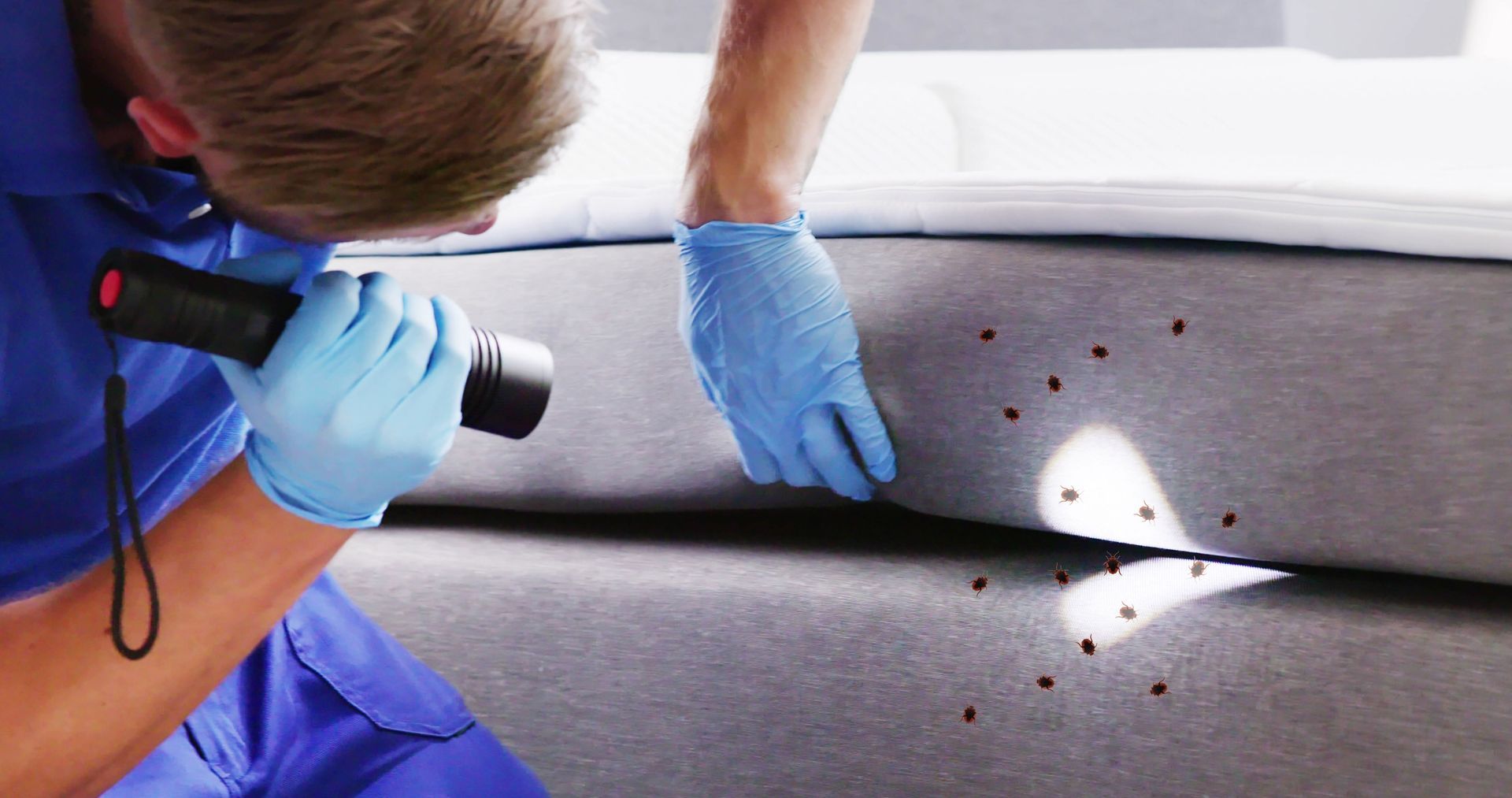
A company's operational history and years in business reflect its overall stability, technical expertise, and local market adaptability. Established firms that have served a community for decades possess deep, practical knowledge regarding regional pest pressures, local soil conditions, and prevailing architectural styles. However, longevity should always be paired with modern innovation. The ideal provider combines years of hands-on field experience with modern diagnostic technology, such as infrared thermal imaging and electronic moisture meters, to detect hidden activity inside wall cavities without destructive drilling.
The knowledge, work ethic, and communication skills of individual technicians directly impact the success of your pest management program. Leading companies invest heavily in continuous employee education, ensuring field staff stay current on emerging termiticide formulations, integrated pest management strategies, and customer safety protocols. During an initial consultation, observe whether the technician conducts a painstaking physical inspection, clearly explains their diagnostic findings, and answers your structural questions with patience and expertise. Well-trained, professional staff make the extermination process transparent, safe, and stress-free.
3. Assessing Service Packages and Warranties
Understanding the structure of service contracts is essential when selecting a long-term pest management strategy. Basic agreements typically cover a single, targeted treatment designed to resolve an active infestation, offering limited post-treatment follow-up. In contrast, comprehensive service packages combine initial extermination with annual inspections, continuous perimeter monitoring, and multi-year protective coverage. Examining the duration, scope, and specific exclusions of a service contract ensures that you secure continuous structural protection that aligns comfortably with your household budget.
Ongoing inspection and preventive maintenance options form the backbone of a successful long-term defense strategy. Modern liquid termiticides and baiting systems degrade over time due to weather exposure, soil displacement, and land degradation, making routine evaluations necessary to ensure the protective barrier remains intact. Quality service packages include scheduled annual or bi-annual physical inspections of your foundation, crawlspace, and attic. These proactive evaluations allow technicians to catch secondary termite intrusions early, applying minor chemical re-treatments before structural wood damage can occur.
Evaluating warranty terms and re-treatment guarantees is critical when finalizing your contract with a termite control service provider. Most reputable companies offer a standard re-treatment warranty, promising to re-apply termiticides at no extra charge if termite activity recurs within the agreement window. The most robust coverage options, however, include structural repair guarantees, wherein the pest management firm agrees to pay for structural timber repairs caused by new infestations that occur after the initial treatment. Always read the fine print carefully to understand warranty transferability, mandatory annual renewal fees, and specific homeowner maintenance obligations.
Choosing the right termite control service is an essential investment in the long-term safety, structural integrity, and financial stability of your home. By understanding the specific pest threats facing your property, verifying contractor licensing and insurance, and securing comprehensive warranty protection, you can eliminate existing colonies and prevent costly future infestations. Do not wait for visible structural damage or sagging floor joists to take decisive action against timber-destroying pests. Contact 2 Nice Guys Termite & Pest Control today to schedule a thorough professional inspection and secure reliable, long-term protection for your residence.