July 15, 2026
Property ownership represents a substantial financial investment, requiring continuous care and vigilance to preserve its long-term stability. Among the various threats that can silently undermine a building, wood-destroying insects are by far the most insidious and destructive. These small pests operate deep within walls, floors, and foundations, remaining completely undetected for extended periods while chewing through critical wooden frameworks. Homeowners often remain oblivious to the mounting destruction until severe structural sagging or visible wood degradation manifests on the surface. Proactive property management necessitates understanding how these subterranean colonies operate and why regular inspections are vital to preventing catastrophic failures. By securing a professional termite control service early, individuals can safeguard their real estate investments from devastating structural failures. Addressing an infestation promptly protects the financial health of the household before remediation costs escalate dramatically.
Compromising Structural Integrity
The core skeletal framework of most residential buildings relies heavily on wooden studs, joists, and beams to support immense weight. Subterranean pests target these vital structural components, consuming the cellulose within the wood and leaving behind hollowed shells that possess no structural strength. As the wood weakens from internal tunneling, floorboards begin to creak excessively, and ceilings may show signs of downward deflection. This systematic destruction progresses without ceasing, as colonies feed around the clock to support their expanding populations. Property owners who overlook these subtle shifts risk severe structural failures that compromise the habitability of the entire building. Securing a reliable termite control service remains the most effective defense against this hidden architectural degradation.
Beyond horizontal beams and vertical studs, these insects frequently invade support piers and foundational sill plates that rest directly against concrete bases. Because these areas are dark and retain ambient moisture, they provide ideal environments for continuous pest activity. According to the National Wildlife Federation, king and queen termites are large and can reach over an inch (2.5 centimeters) in length. These mature reproductive insects drive the exponential growth of the colony, ensuring a constant supply of worker insects to forage through the wooden structural elements of your home. When foundational supports lose their density, the entire building can shift, resulting in sloped flooring and severely misaligned window frames that refuse to open smoothly.
Ruining Interior Finishes
The destructive impact of a severe infestation is not confined to hidden structural framing but eventually migrates to visible interior surfaces. As wood-destroying insects tunnel near the surface of drywall, they disturb the underlying paper backing and introduce moisture into the wall cavities. This moisture infiltration creates unsightly blisters, bubbles, and swelling that closely resemble traditional water damage from broken pipes. Homeowners often waste time and money addressing plumbing issues when the true culprit is an active subterranean colony eating through the drywall liner. Enlisting a professional termite control service ensures a correct diagnosis of these interior blemishes before superficial repairs are attempted in vain.
In addition to warped walls, baseboards, and wooden trim work suffer extensive damage when pests migrate outward from the wall cavities. Affected baseboards become brittle and paper-thin, crumbling easily under minimal physical pressure from vacuum cleaners or footsteps. Wooden window casings and decorative crown moldings also lose their structural core, leading to visible cracking and paint peeling. These cosmetic issues severely detract from the aesthetic appeal of a home, turning beautiful living spaces into unappealing areas. Restoration of these custom interior finishes requires extensive carpentry work and meticulous painting, adding layers of expense that could have been avoided through timely pest intervention.
Damaging Auxiliary Materials
While wood remains their primary source of nutrition, these adaptable pests will chew through various auxiliary building materials to reach new food sources. Sheetrock, plaster, and high-density insulation boards are routinely penetrated by foraging workers searching for structural timber. When insulation panels are riddled with tunnels, their thermal efficiency drops significantly, leading to higher energy consumption and increased utility bills for the household. The pests also damage vapor barriers designed to keep moisture out of crawlspaces, exacerbating mold growth and wood rot within the lower levels. A comprehensive termite control service addresses these hidden pathways, preventing widespread damage to the non-wooden components of your property.
Furthermore, items stored within closets, attics, and basements are highly vulnerable to destruction when infestations spread unchecked. Books, historical documents, family photo albums, and cardboard storage boxes contain high concentrations of cellulose, making them prime targets for foraging pests. Valuable personal belongings can be reduced to shredded piles of debris within weeks if a colony establishes a path into storage areas. Protecting these irreplaceable personal items requires a proactive defense strategy that eliminates colonies before they breach the living quarters of the home.
Diminishing Financial Value
The financial implications of unaddressed pest activity extend far beyond the immediate cost of structural and cosmetic repairs. When a property is placed on the real estate market, prospective buyers and financial lenders require comprehensive inspection reports to verify structural soundness. Evidence of past or present activity can severely damage buyer confidence, causing interested parties to walk away from negotiations entirely. Even if repairs are completed, a documented history of infestation can depress the resale value of the home compared to unaffected properties in the neighborhood. Investing in a routine termite control service establishes a clear record of preventative maintenance, reassuring potential buyers that the structure is fully protected.
Real estate transactions frequently fall through at the final stage due to unexpected structural findings during inspections. Sellers are often forced to offer steep price concessions or fund expensive emergency remediation projects to keep the sale alive. These stressful financial situations can be entirely averted by maintaining a continuous relationship with certified pest management specialists. A home that carries a transferable protection warranty stands out as a secure investment, attracting higher offers and faster closing times. Preserving the equity you have built in your property requires protecting it from the hidden forces that cause rapid market depreciation.
Creating Physical Hazards
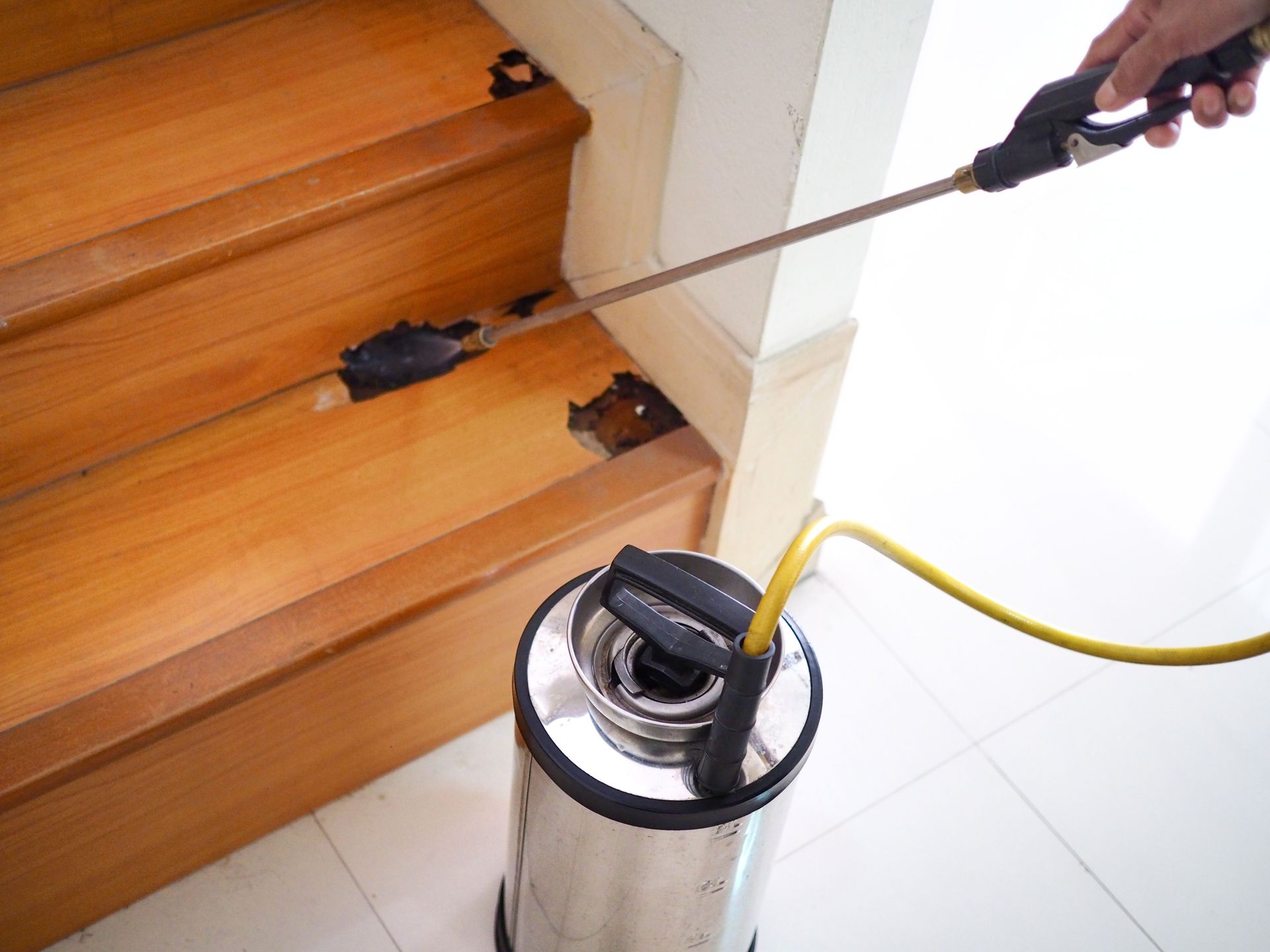
The long-term presence of tunneling pests introduces severe safety risks that threaten the physical well-being of everyone inside the home. When structural subflooring is compromised, the risk of localized floor collapse increases significantly under heavy furniture or appliances. Weakened staircases can give way unexpectedly, leading to serious injuries for family members or visiting guests. Additionally, support beams holding up porch roofs or heavy fixtures can fail without warning when hollowed out by continuous feeding. Scheduling a detailed termite control service mitigates these physical hazards, ensuring that the structural elements remain strong and dependable. Ensuring physical safety within a residence should always be the highest priority for any responsible property manager.
Beyond physical structural failures, infestations can indirectly impact indoor air quality and electrical systems within a building. The moisture introduced by subterranean colonies into wall cavities fosters the growth of toxic mold, which releases airborne spores. These spores circulate through heating and ventilation systems, aggravating respiratory conditions like asthma and triggering severe allergic reactions. Furthermore, foraging insects have been known to chew through the protective plastic coating on electrical wiring located inside wall voids. This damaged insulation can lead to short circuits, creating hidden electrical fire hazards that put the entire household in jeopardy. Comprehensive pest elimination effectively removes these overlapping hazards, restoring a healthy and secure environment for your family.
Safeguarding a property from the devastating effects of subterranean infestations demands a proactive approach combined with professional expertise. Left unchecked, these silent destroyers will relentlessly compromise structural framing, ruin custom interior finishes, damage insulation, and create severe safety risks for occupants. The resulting financial depreciation and repair expenses can easily overwhelm a household budget, emphasizing the absolute necessity of preventative monitoring and treatment programs. Utilizing a professional termite control service ensures that your property receives advanced monitoring and targeted interventions designed to eradicate colonies. For reliable protection and complete peace of mind regarding your home, contact 2 Nice Guys Termite & Pest Control.